
News
Top 10 Educational Toys Every Parent Should Consider for Their Child’s Growth
Sep
Part 1: Why Educational Toys Are Essential for Child Development
When you think about toys, the first thing that usually comes to mind is fun. Toys are meant to entertain, to make children laugh, and to help them burn energy. But in today’s world, toys have taken on a much deeper role—they are powerful tools that shape a child’s growth and development in ways many parents don’t realize. Educational toys, in particular, have become an essential part of parenting, bridging the gap between play and learning.
In this section, we’ll explore the science of learning through play, the skills children build when they engage with educational toys, and why choosing the right toy can make such a difference in your child’s future.
The Science Behind Learning Through Play
Play is not just a break from learning—it is learning. Leading child development experts have proven that play stimulates the brain, builds neural connections, and helps children absorb knowledge faster than traditional teaching methods.
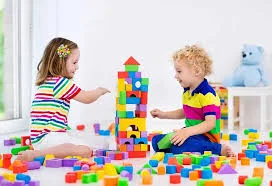
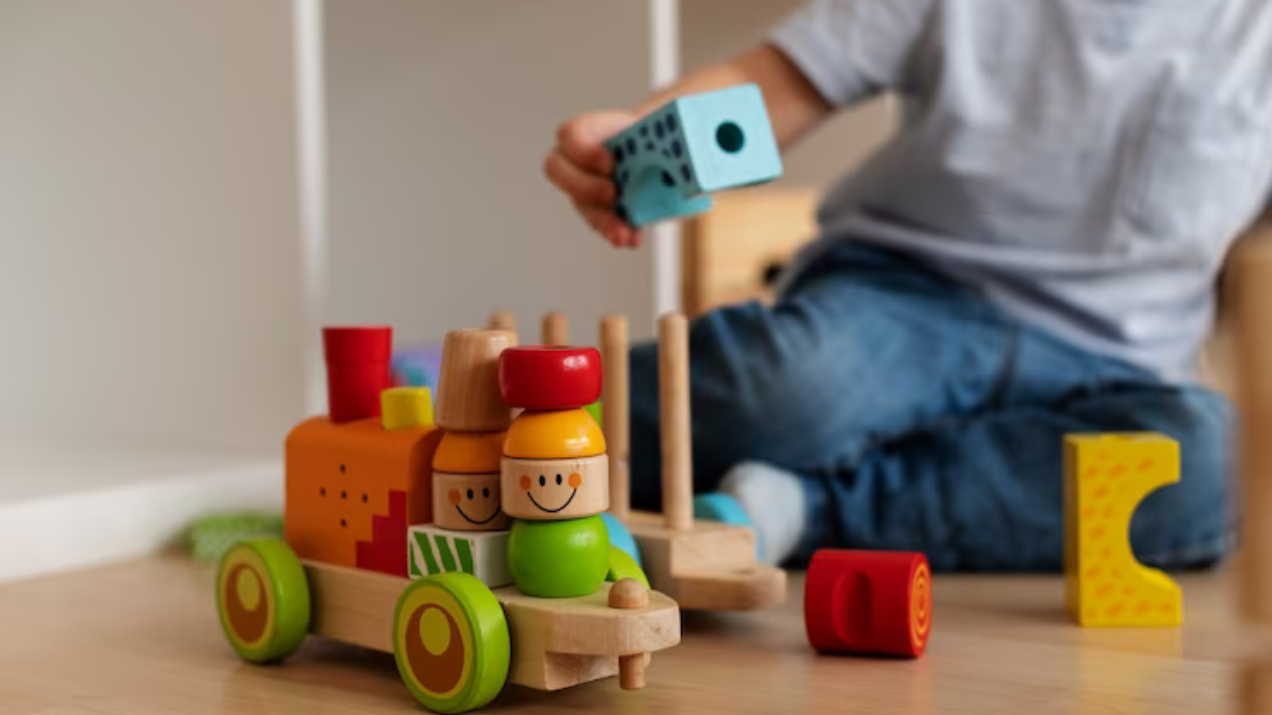
When a toddler stacks blocks, they are not just playing—they’re experimenting with gravity, balance, and problem-solving. When a preschooler solves a simple puzzle, they are sharpening spatial awareness, memory, and logical thinking. And when school-aged children dive into a science kit, they are not only entertained but also introduced to the wonders of STEM—science, technology, engineering, and mathematics.
Educational toys transform everyday play into a structured yet fun learning experience. This makes learning feel natural rather than forced.
Boosting Cognitive Development
One of the biggest benefits of educational toys is the way they enhance cognitive skills. These toys are designed to challenge young minds while keeping them engaged.
Problem-Solving Skills: Games like puzzles or construction sets encourage children to think critically, test solutions, and learn from mistakes.
Memory Development: Matching games, flashcards, and sequencing toys help strengthen short-term and long-term memory.
Language Skills: Storytelling kits, alphabet blocks, and interactive books improve vocabulary, pronunciation, and comprehension.
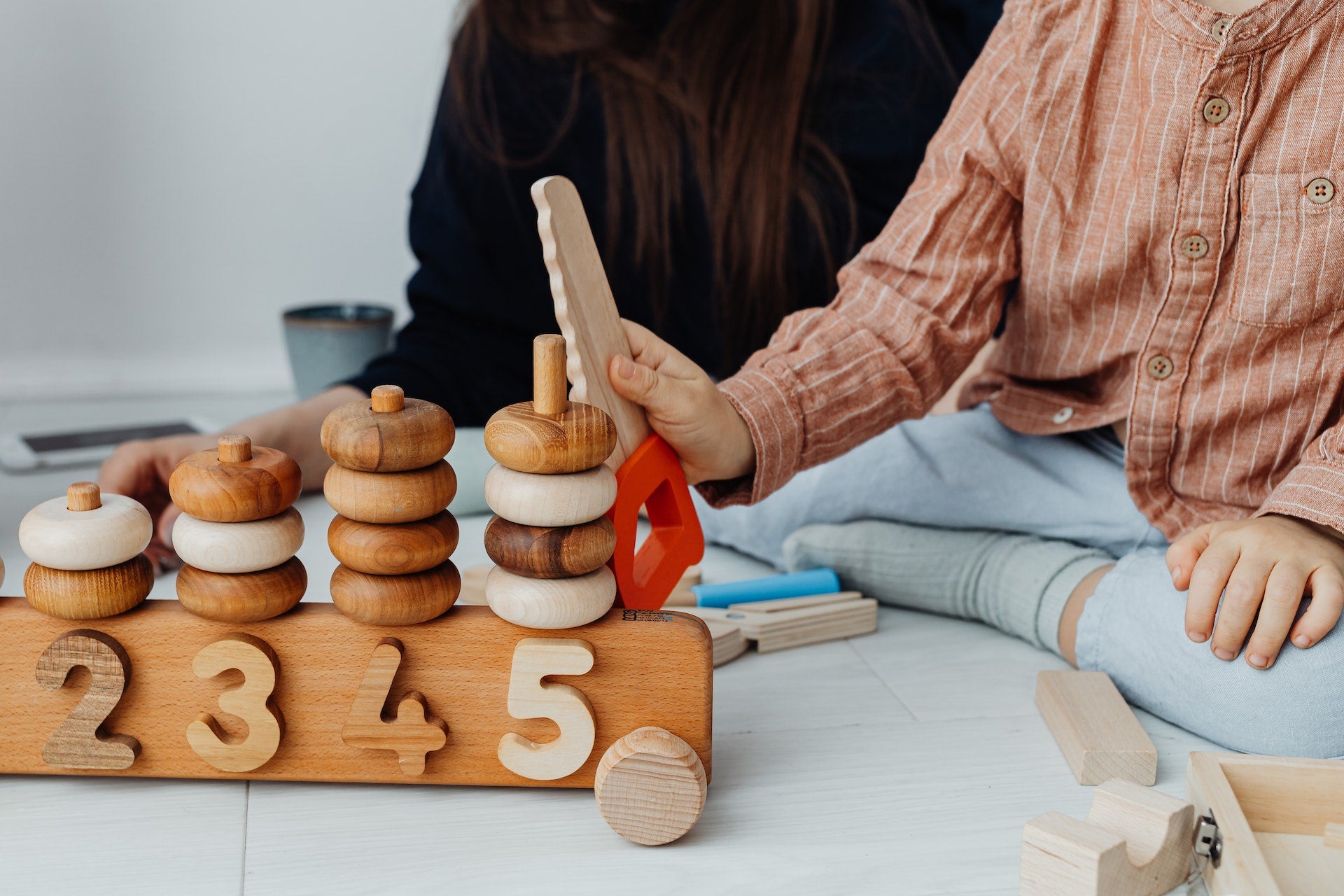
Mathematical Thinking: Toys that involve counting, shapes, or patterns give children an early start in numeracy.
Every time a child engages with an educational toy, they’re laying down the foundation for lifelong learning.
Strengthening Emotional and Social Growth
Educational toys go far beyond academics. They also play a vital role in emotional and social development.
For example, cooperative board games teach children patience, turn-taking, and teamwork. Pretend play sets—like kitchens, doctor kits, or dollhouses—allow children to step into different roles, building empathy and emotional intelligence.
Even solo toys can have emotional benefits. A child who successfully builds a Lego structure learns resilience and self-confidence. Failure no longer feels like defeat; it becomes an opportunity to try again.
These experiences shape not just what children know, but who they become.
Building Fine and Gross Motor Skills
Motor skills are another area where educational toys shine.
Fine Motor Skills: Toys like threading beads, shape sorters, or art supplies refine hand-eye coordination and dexterity.
Gross Motor Skills: Larger toys, such as balance bikes, climbing sets, or ball games, strengthen muscles, coordination, and overall physical health.
These skills are critical for everyday activities—writing, tying shoelaces, playing sports—and they’re best developed early through play.
Sparking Creativity and Imagination
Educational toys also nurture creativity, which is just as important as academic intelligence. Creative play encourages children to think outside the box, make decisions, and explore new ideas.
Art kits, building blocks, and open-ended toys don’t have one “correct” answer. Instead, they invite kids to experiment and create something unique. This type of imaginative play is the foundation for innovation later in life—whether in art, science, or problem-solving careers.
The Role of Parents in Maximizing Benefits
While educational toys are powerful, their impact grows even stronger with parental involvement. Parents who actively engage with their children during playtime can guide them, ask questions, and encourage exploration.
For instance, instead of just letting a child build with blocks, a parent can ask:
“How many blocks do you need to make this tower taller?”
“What happens if you put the big block on top of the small one?”
These small interactions turn casual play into rich learning experiences.
Safety and Quality: Why Choosing the Right Toy Matters
Not all toys are created equal. With so many options on the market, parents must prioritize safety, durability, and developmental value.
Safety First: Always check age recommendations, material quality, and certifications. Avoid toys with small parts for toddlers and make sure paints are non-toxic.
Durability: High-quality toys may cost more upfront but save money in the long run, lasting through years of play.
Developmental Value: Choose toys that grow with your child. A well-designed building set, for example, can be simple for toddlers but challenging enough for older kids.
At Rovamavel, we curate every toy based on these principles, ensuring parents can shop with confidence.
Real-Life Examples of Educational Toys in Action
Consider these scenarios:
A 3-year-old solving a color-matching puzzle learns not only about colors but also about patience and focus.
A 7-year-old working on a beginner robotics kit discovers how gears and circuits work, sparking an early interest in engineering.
A 10-year-old using a science experiment kit builds confidence in handling real-world problems and develops a passion for discovery.
Each example shows how educational toys go beyond entertainment—they actively shape the way children think, behave, and grow.
Long-Term Impact: Preparing for the Future
The benefits of educational toys don’t end in childhood. They create a ripple effect that influences a child’s entire future.
Children who play with educational toys are more likely to develop problem-solving skills, persistence, and a love for learning—all qualities that translate into success in school, work, and life. They learn that challenges can be fun, that creativity has value, and that knowledge is something to be explored, not feared.
In a world where innovation and adaptability are key, these skills are priceless.
Conclusion: Why Parents Should Prioritize Educational Toys
Educational toys are not just another product on the shelf—they are investments in a child’s future. They combine fun with learning, shaping cognitive, emotional, social, and physical development in powerful ways.
By carefully choosing toys that are safe, durable, and developmentally valuable, parents can give their children more than entertainment. They can give them tools for lifelong success.
At Rovamavel, our mission is to make that choice easier by offering a carefully curated selection of educational toys designed to inspire, engage, and empower children at every stage of growth.
Part 2: The Top 10 Educational Toys Every Parent Should Know About
Educational toys come in many forms, but the best ones share the same qualities: they are engaging, safe, and promote meaningful growth. Below are the top 10 categories of educational toys that parents should prioritize, along with insights into why each one matters and how it can benefit children of different ages.
1. Building Blocks and Construction Sets
Building blocks have been a childhood classic for generations. From simple wooden blocks for toddlers to advanced Lego Technic kits for older kids, construction toys stimulate imagination and problem-solving.
Age Range: Toddlers to teens.
Key Benefits: Spatial awareness, hand-eye coordination, fine motor skills, patience, and creativity.
Real-Life Impact: A child stacking blocks learns about gravity, balance, and structure, while older kids using advanced kits experiment with engineering principles.
Parents can encourage children by asking them to build bridges, towers, or even recreate their favorite landmarks.
2. Puzzles
Puzzles are timeless educational tools. Whether it’s a wooden animal puzzle for a preschooler or a 3D globe puzzle for a teenager, they challenge the mind and build persistence.
Age Range: 2 years and up.
Key Benefits: Critical thinking, problem-solving, memory, and concentration.
Real-Life Impact: Completing puzzles teaches children that problems can be solved step by step, building resilience and focus.
Interactive puzzles with themes (dinosaurs, outer space, maps) also introduce children to new subjects while keeping them engaged.
3. STEM Kits (Science, Technology, Engineering, Math)
STEM kits are the future of educational play. These kits range from beginner-friendly science experiments to complex robotics sets.
Age Range: 6 years and up.
Key Benefits: Curiosity, scientific thinking, logical reasoning, and innovation.
Real-Life Impact: Children assembling a basic robot learn about gears, circuits, and programming, sparking early interest in careers in science and technology.
Parents can build on these kits by asking children to explain their experiments, turning play into a storytelling and teaching experience.
4. Pretend Play Sets
Pretend play—also known as role play—is more than just fun. Doctor kits, kitchens, and dollhouses encourage children to explore the adult world through imagination.
Age Range: Toddlers to 8 years.
Key Benefits: Emotional intelligence, empathy, communication, and social skills.
Real-Life Impact: A child pretending to be a doctor develops compassion and problem-solving while learning basic medical concepts.
Parents can join in role play to deepen the experience—acting as patients, customers, or co-chefs.
5. Art and Craft Kits
Artistic toys go beyond coloring books. They include pottery sets, jewelry-making kits, and DIY craft supplies. These encourage children to express themselves creatively.
Age Range: 3 years and up.
Key Benefits: Creativity, fine motor skills, patience, and self-expression.
Real-Life Impact: Crafting teaches children to think independently, value originality, and take pride in their creations.
Art activities can also be calming, helping children regulate emotions while producing something they can proudly display.
6. Musical Instruments for Kids
Introducing children to music at an early age builds cognitive and emotional skills. Instruments like mini keyboards, xylophones, or beginner guitars make learning accessible.
Age Range: Toddlers to teens.
Key Benefits: Rhythm, memory, concentration, auditory skills, and emotional expression.
Real-Life Impact: Studies show that children who play instruments perform better in math and language, thanks to improved brain connectivity.
Even simple instruments—like tambourines—teach coordination while sparking joy.
7. Outdoor Exploration Kits
Outdoor exploration toys connect children with nature. These can include magnifying glasses, bug-catching kits, telescopes, or gardening sets.
Age Range: 4 years and up.
Key Benefits: Curiosity, scientific observation, respect for nature, and physical activity.
Real-Life Impact: A child planting seeds in a mini gardening kit learns about patience, biology, and responsibility.
Exploration kits are perfect for bonding family activities, turning hikes and garden play into science adventures.
8. Board Games and Strategy Games
Board games aren’t just entertainment; they teach valuable life lessons. Games like chess, Scrabble, or even cooperative family games enhance problem-solving and social skills.
Age Range: 5 years and up.
Key Benefits: Strategy, memory, math, teamwork, and emotional regulation.
Real-Life Impact: Children learn to win gracefully, lose with resilience, and work with others toward shared goals.
Parents can rotate games to keep experiences fresh and continuously challenge children’s thinking.
9. Reading and Interactive Books
Books are arguably the most powerful educational tool, and interactive books make reading even more engaging. Pop-up books, sound books, and storybooks with puzzles keep children hooked.
Age Range: All ages.
Key Benefits: Language development, comprehension, imagination, and focus.
Real-Life Impact: Children who read regularly develop stronger communication skills and a lifelong love of learning.
Parents should create daily reading routines, even if only 10–15 minutes, to nurture consistency.
10. Coding and Digital Learning Toys
In today’s digital world, coding is as essential as reading and writing. Coding toys and apps—like programmable robots or interactive tablets—teach children how to think logically and creatively in the digital space.
Age Range: 6 years and up.
Key Benefits: Computational thinking, problem-solving, persistence, and digital literacy.
Real-Life Impact: Kids who experiment with coding toys often develop stronger math and logic skills, preparing them for tech-driven futures.
Parents can monitor screen time while encouraging balanced use of digital tools to maximize benefits.
Age-Appropriate Recommendations
Choosing the right toy depends heavily on age:
Toddlers (1–3 years): Simple building blocks, shape sorters, pretend play sets, beginner art kits.
Preschoolers (3–5 years): Puzzles, role play sets, beginner musical instruments, interactive books.
School-Age Kids (6–10 years): STEM kits, outdoor exploration tools, strategy board games, art and craft sets.
Tweens and Teens (10+ years): Advanced construction sets, robotics kits, coding toys, musical instruments.
By tailoring toys to developmental stages, parents can maximize growth without overwhelming children.
How Rovamavel Helps Parents Choose
With so many choices, shopping for educational toys can feel overwhelming. At Rovamavel, we carefully curate collections to ensure every toy is:
Safe: Meeting or exceeding international safety standards.
Durable: Made from quality materials designed to last.
Developmentally Valuable: Each toy is reviewed by educators and parents to ensure real benefits.
We also provide guides and recommendations based on age, interests, and learning goals—making it easier for parents to select the right fit for their child.
Bringing Fun and Learning Together
The magic of educational toys lies in their ability to merge fun with growth. When children enjoy what they’re doing, they’re more likely to stay engaged and absorb lessons naturally.
Parents don’t have to choose between entertainment and education. With the right toys, they can give their children both—hours of joy and a lifetime of valuable skills.
Part 3: The Future of Rolls Royce Ownership in Miami
Miami has always had an appetite for luxury. From the shimmering skyline to the palm-lined streets, it is a city that thrives on presentation, lifestyle, and ambition. While the current landscape already shows Rolls Royce as the crown jewel of celebrity and entrepreneurial garages, the future promises even more significance for these ultra-luxury cars in Miami’s social and business fabric.
1. The Evolving Role of Rolls Royce in Miami’s Identity
In many cities, owning a luxury car is about personal indulgence. But in Miami, it is also about being part of the city’s evolving identity. Rolls Royce vehicles are now viewed as cultural assets, representing the blend of success, innovation, and flamboyance that Miami embodies. Whether cruising through Ocean Drive or pulling up to a yacht party in Biscayne Bay, a Rolls Royce is a moving declaration of prestige. In the coming years, the brand’s influence in Miami will likely deepen as more global entrepreneurs, influencers, and celebrities migrate to the city.
2. Technology and Personalization Leading the Way
The future of Rolls Royce ownership in Miami won’t just be about tradition; it will be about blending cutting-edge technology with timeless luxury. Miami’s elite clientele already values customization, but Rolls Royce is pushing it further with personalized interiors, AI-driven systems, and sustainability-conscious innovations. Imagine a Phantom with interiors inspired by Miami’s Art Deco heritage or a Cullinan that integrates solar-powered auxiliary systems tailored for eco-conscious millionaires. Miami buyers, known for their bold tastes, will continue to drive these innovations.
3. The Shift Toward Sustainable Luxury
Globally, sustainability is becoming a major focus, and Miami is no exception. With climate challenges directly impacting the city, luxury buyers are becoming more conscious about their environmental footprint. Rolls Royce is adapting with hybrid and electric models, promising the same grandeur without the emissions. In the next decade, spotting an all-electric Rolls Royce silently gliding through Brickell won’t just be a possibility—it will be a symbol of futuristic luxury. Entrepreneurs, in particular, will see these vehicles as extensions of their forward-thinking brands.
4. Rolls Royce as an Investment Asset
The narrative around Rolls Royce in Miami is shifting from pure luxury to strategic investment. Many high-net-worth individuals already consider collectible models as appreciating assets. With Miami’s luxury market booming, rare editions of Rolls Royce vehicles could become part of diversified investment portfolios alongside art, real estate, and yachts. This perspective will make ownership more than just lifestyle-driven—it will also be a calculated financial move.

5. Expanding Social and Business Networks Through Ownership
Miami thrives on social ecosystems, where connections often determine opportunities. Rolls Royce ownership will continue to be a powerful networking tool. Exclusive events, private shows, and brand-hosted galas are becoming the norm for owners. Entrepreneurs who drive Rolls Royce vehicles won’t just stand out—they’ll be invited into circles where deals are made, partnerships are formed, and reputations are built. In this way, the vehicle becomes an access pass into the city’s most influential spaces.
6. The Rising Influence of Miami as a Global Luxury Hub
While cities like Los Angeles, New York, and London have long dominated the luxury market, Miami is positioning itself as a serious competitor. The influx of tech entrepreneurs, celebrities, and international investors is transforming it into a global stage for opulence. Rolls Royce dealerships in Miami will not only serve local demand but also act as international luxury hubs, attracting buyers from Latin America, Europe, and beyond. For many, Miami will become the gateway city where they acquire their dream Rolls Royce.
7. Beyond Cars: The Lifestyle Package
Future ownership in Miami won’t stop at the car itself. Rolls Royce is already exploring lifestyle integrations, from curated travel experiences to concierge services. Miami’s buyers, who thrive on exclusivity, will expect their cars to be linked with experiences—private jet collaborations, yacht partnerships, or even luxury real estate connections. For many, owning a Rolls Royce will mean buying into an ecosystem that defines how they live, network, and celebrate success.
8. A Legacy Statement for Future Generations
Perhaps one of the most compelling aspects of Rolls Royce ownership in Miami is its legacy value. Families of entrepreneurs and celebrities are not just buying for the present but also for future generations. Handing down a Rolls Royce is more than gifting a car—it’s passing on a legacy of achievement, taste, and social standing. As Miami cements its role as a luxury capital, the tradition of Rolls Royce ownership will continue to be woven into the fabric of family stories and city culture alike.
Final Thoughts: The Road Ahead
The story of Rolls Royce in Miami is far from static—it is an evolving narrative shaped by ambition, creativity, and a passion for living large. Celebrities and entrepreneurs have already elevated the brand into a symbol of Miami’s identity, but the coming years promise an even deeper integration of technology, sustainability, and investment value.
In many ways, the Rolls Royce is more than just a car in Miami; it is a canvas where personal dreams, cultural trends, and business ambitions converge. Whether it’s the roar of a Phantom at a red-carpet gala or the silent glide of an electric model through South Beach, Rolls Royce will remain at the center of Miami’s luxury story. For the city’s elite, it won’t just be about driving—it will be about defining the future of what it means to succeed in Miami.
