
News
Why Hands-On Learning Beats Screen Time for Kids: A Deep Dive into Creative Growth

Sep
Part 1: The Rise of Screen Time and Its Impact on Children
In today’s digital age, it has become almost impossible to separate children from screens. From the moment toddlers learn to swipe a tablet screen to the teenage years when smartphones practically become an extension of their hands, screen time is now an inseparable part of childhood. The numbers tell the story clearly: according to recent studies, children between the ages of 8 and 12 spend an average of 4 to 6 hours a day in front of screens, while teens can easily spend up to 9 hours or more. Even preschoolers, who just a decade ago were mainly playing with blocks or dolls, are now spending significant time with YouTube videos, interactive games, or digital cartoons.
The appeal of screens for children and parents
It’s easy to see why screens are so popular. For children, they provide instant gratification, entertainment, and even a sense of accomplishment when they “level up” in a game or complete an online puzzle. For parents, screens are often a convenient babysitter. A tablet can keep a child occupied during a busy work-from-home meeting, long car ride, or while cooking dinner. In many households, the tablet or smartphone has become the go-to solution for keeping kids quiet and engaged.
However, while the short-term benefits are undeniable, the long-term consequences of heavy screen use are raising alarm bells among psychologists, pediatricians, and educators alike.
Cognitive impact of excessive screen time
One of the most concerning aspects of prolonged screen exposure is its effect on cognitive development. Young children’s brains are like sponges, constantly absorbing and wiring connections based on their environment. While digital apps can teach numbers, colors, or letters, they often present information in a highly structured and reward-driven way. This reduces opportunities for open-ended thinking and imagination. Instead of creating their own stories or solutions, children follow pre-designed paths with limited flexibility.
Excessive screen time has also been linked to shorter attention spans. Constant exposure to fast-paced videos, flashy colors, and instant feedback conditions the brain to expect constant stimulation. When children face slower, real-world tasks—like reading a book or solving a hands-on puzzle—they may quickly become bored or frustrated because these tasks don’t provide the same instant rewards. Over time, this can hinder the ability to focus deeply, a skill that is critical for both academic success and creative problem-solving later in life.

Emotional and behavioral consequences
Beyond cognitive concerns, the emotional and behavioral impact of too much screen time cannot be overlooked. Children who spend excessive hours with screens often display higher levels of irritability, difficulty regulating emotions, and even signs of anxiety and depression. The constant bombardment of images, sounds, and social media comparisons creates overstimulation and unrealistic expectations.
Furthermore, screen-based entertainment tends to reduce face-to-face social interactions. Instead of playing with siblings, talking to parents, or engaging in imaginative group play, many children choose solo digital activities. Over time, this reduces their ability to build essential social-emotional skills such as empathy, cooperation, negotiation, and conflict resolution.
Physical health issues associated with screen time
The physical consequences of high screen use are equally significant. Children who spend hours sitting with devices are more likely to face problems like obesity, poor posture, and sleep disturbances. The blue light emitted from screens interferes with melatonin production, disrupting natural sleep cycles. Poor sleep, in turn, affects mood, concentration, and overall well-being.
Even vision is at risk: pediatric eye specialists are reporting increasing cases of digital eye strain and myopia (nearsightedness) in children who spend prolonged hours staring at screens without enough breaks.
The illusion of “educational” screen time
Some parents defend screen use by pointing to “educational apps” or “learning videos.” While these can provide value in moderation, the label “educational” can sometimes create a false sense of security. Many so-called learning apps are heavily gamified, focusing more on keeping the child engaged rather than truly deepening understanding. For example, a math app may reward children with flashing lights and sounds for solving problems, but the learning often remains superficial compared to the deep comprehension that comes from solving problems with physical manipulatives like blocks or counters.
True education involves struggle, experimentation, and discovery. Screens, by design, minimize frustration in order to keep children entertained. This robs kids of opportunities to experience productive struggle—a vital part of learning and creativity.
Why parents are increasingly concerned
With all these potential downsides, it’s no surprise that many parents are rethinking the role of screens in their children’s lives. While digital literacy is essential in the modern world, parents are realizing that unregulated screen use can undermine other crucial aspects of development. Pediatric associations around the world now recommend limiting recreational screen time and balancing it with more interactive, hands-on experiences.
The pandemic accelerated concerns about screen dependence. With online classes, digital playdates, and virtual activities, children spent unprecedented hours in front of screens. Now, as the world returns to normal, many parents are noticing the after-effects: children who struggle to play independently without devices, reduced enthusiasm for outdoor activities, and difficulty concentrating on tasks that aren’t screen-based.
Setting the stage for alternatives
This is where the conversation naturally shifts to alternatives—ways to engage children in learning and play without relying on devices. While screens will always have a place in modern childhood, they cannot be the only source of stimulation and education. To foster creativity, critical thinking, and social-emotional growth, children need opportunities to engage their hands, minds, and imaginations in the physical world.
Hands-on learning, whether through art, building, science experiments, or imaginative play, provides exactly this kind of stimulation. Unlike screens, hands-on activities encourage exploration without strict rules, allowing children to test boundaries, make mistakes, and create something new. The next section will dive into why hands-on learning consistently outperforms screen-based experiences when it comes to nurturing creativity and holistic development in children.
Part 2: Why Hands-On Learning Is Superior for Creativity and Development
If screen-based learning has its pitfalls, what makes hands-on learning such a powerful alternative? The answer lies in how children’s brains and bodies interact with their environment. When children engage physically with objects, ideas, and people, they activate multiple senses simultaneously. This multisensory approach does more than entertain—it literally shapes the brain in ways that foster problem-solving, innovation, and social growth.
In this section, we’ll explore the many reasons why hands-on learning consistently outperforms screen time, drawing from developmental psychology, neuroscience, and everyday parenting experiences.
1. Engaging the Whole Brain Through Multisensory Learning
Hands-on activities invite children to touch, move, build, and manipulate. For example, stacking blocks, sculpting with clay, or experimenting with a simple science kit requires integrating vision, touch, and sometimes sound. This multisensory engagement activates different regions of the brain, strengthening neural connections far more effectively than passive screen watching.
Screens tend to isolate learning to the visual and auditory channels, but children are natural kinesthetic learners. They remember better when they physically “do” something. That’s why a child may forget a math equation shown on a tablet but easily recall how many blocks were needed to balance a seesaw. The act of manipulating objects cements learning in long-term memory.
2. Building Critical Thinking and Problem-Solving Skills
Screens typically present pre-set challenges: a puzzle app has one correct solution, a game has defined rules. In contrast, hands-on learning encourages open-ended exploration. A box of LEGO bricks can become a car, a castle, or a spaceship—whatever the child imagines.
This freedom fosters critical thinking. Children must make decisions, troubleshoot when something doesn’t work, and adapt their approach. For instance, if a tower of blocks keeps falling, they experiment with different bases or structures. This trial-and-error process mirrors real-world problem-solving, teaching resilience and creativity.
3. Encouraging Imagination and Originality
Creativity thrives in unstructured play. When children draw, role-play, or build, they create worlds and narratives that are uniquely their own. A stick can become a magic wand, a sword, or even a fishing rod. These transformations don’t happen on screens, where storylines and characters are pre-written.
Hands-on learning gives children ownership of their play. Instead of consuming content, they produce it—whether through art projects, science experiments, or storytelling. This production mindset nurtures originality, which is crucial for success in school, careers, and personal fulfillment later in life.
4. Strengthening Social and Emotional Development
Hands-on activities often involve collaboration: building a fort with siblings, cooking with parents, or working on a group science project in school. These situations require communication, negotiation, and compromise. Children learn to share, take turns, and express emotions constructively.
Screens, by contrast, are typically solitary experiences. Even multiplayer games limit face-to-face interactions and empathy. Hands-on play nurtures emotional intelligence by requiring children to read body language, listen actively, and respond appropriately. These skills are vital not just in childhood but throughout life.
5. Enhancing Physical Development
Fine motor skills—the ability to control small muscle movements—are essential for writing, tying shoelaces, or playing instruments. Hands-on learning naturally develops these skills through activities like threading beads, cutting paper, or assembling toys.
Gross motor skills, such as balance, coordination, and strength, also benefit from active play like climbing, running, or building with large blocks. Screen-based play, by comparison, often leaves children sedentary, increasing risks of obesity and delayed motor development.
6. Cultivating Patience and Resilience
Screens are designed for instant gratification: one click, and the game restarts; one tap, and a video plays. Hands-on activities, however, take time and persistence. A puzzle might take days to complete, or a science project may require multiple attempts.
Through these experiences, children learn patience and resilience. They discover that mistakes are part of the process and that persistence leads to success. This mindset—often called a “growth mindset”—is one of the most important predictors of lifelong achievement.
7. Deepening Family Bonds
Hands-on learning often happens in shared spaces with parents, grandparents, or siblings. Whether it’s a family board game night, baking cookies, or gardening, these activities strengthen bonds and create lasting memories.
Screens, while sometimes shared, rarely provide the same quality of interaction. Watching a movie together is passive; building a birdhouse together is active, requiring teamwork, laughter, and mutual learning. These shared experiences become cherished family traditions that screens cannot replicate.
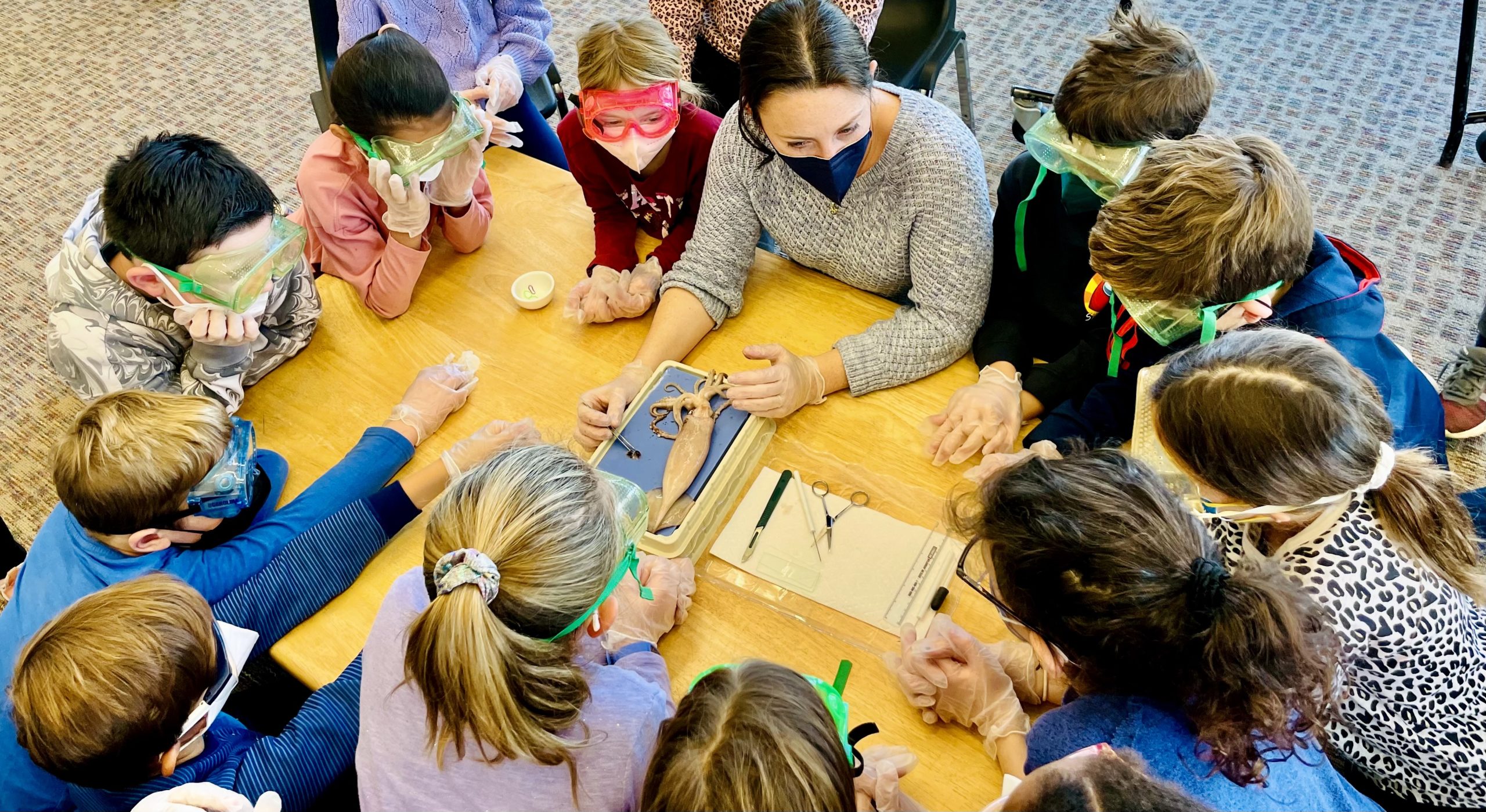
8. Supporting Academic Success
Hands-on learning isn’t just “fun”—it directly translates into better academic outcomes. Studies show that children who engage in tactile activities understand abstract concepts more effectively. For example, using counting beads helps children grasp math operations better than digital flashcards.
Similarly, science experiments done with real materials—mixing vinegar and baking soda, observing plant growth—make concepts stick. These activities bridge the gap between theory and practice, reinforcing classroom learning in memorable ways.
9. Promoting Healthier Habits
By reducing screen time and increasing physical activity, hands-on learning promotes healthier lifestyles. Kids who play outside, build forts, or engage in crafts develop habits that reduce obesity risk, improve sleep quality, and increase overall well-being.
Moreover, hands-on play often sparks curiosity about the world. A child fascinated by building blocks may later develop an interest in engineering. A love for gardening might turn into an appreciation for healthy eating and sustainability. These pathways shape not only learning but also lifelong values.
10. Real-Life Success Stories
Parents and educators worldwide have witnessed the power of hands-on learning. For example, Montessori schools emphasize tactile learning through real-life tasks, from pouring water to tying knots, which foster independence and confidence.
At home, many families report that limiting screen time and introducing hands-on alternatives leads to calmer, more focused children. Kids who once resisted bedtime after hours of screen stimulation now sleep better after a day of outdoor play and crafting.
Balancing Screens and Hands-On Learning
It’s important to note that screens aren’t inherently “bad.” Digital tools can be valuable when used thoughtfully and in moderation. The key is balance. A child who spends two hours building a LEGO city and 30 minutes researching city designs online benefits from both worlds.
Parents can set healthy boundaries by designating screen-free zones (like the dinner table or bedroom) and encouraging hands-on activities as the default mode of play. When screens are used, they should complement—not replace—real-world learning.
Conclusion: A Path Toward Creative Growth
Hands-on learning beats screen time because it nurtures the whole child—mind, body, and spirit. It fosters creativity, resilience, social skills, and academic success in ways that screens simply cannot match. By prioritizing tactile, interactive experiences, parents and educators equip children with the tools they need to thrive in a complex, ever-changing world.
The next time you wonder how to keep your child entertained, resist the temptation to hand over a tablet. Instead, offer them a puzzle, some paints, or a pile of blocks. In doing so, you’re not just giving them something to do—you’re giving them the gift of imagination, problem-solving, and lifelong learning.
Part 3: Practical Tips for Parents – Finding Balance in a Digital World
As we’ve explored, hands-on learning offers countless benefits that screens alone cannot provide. But in today’s world, screens are everywhere—from classrooms to living rooms—and eliminating them entirely isn’t realistic. Instead, the goal is balance: creating an environment where digital tools serve a purpose without overshadowing the rich, imaginative, and developmental advantages of tactile, real-world play.
So, how can parents strike this balance effectively? Let’s dive into some practical strategies.
1. Set Clear Boundaries Around Screen Time
Children thrive on structure. Just as bedtime routines help regulate sleep, screen time rules help establish healthy habits. Consider:
Designated hours: Limit recreational screen use to certain times of day—perhaps after homework or outdoor play.
Screen-free zones: Make the dining table, bedrooms, and family gatherings screen-free areas.
Weekend rules: Save longer screen sessions for weekends, while keeping weekdays focused on learning and physical activity.
By setting expectations early, children learn that screens are a privilege, not a constant presence.
2. Model the Behavior You Want to See
Children imitate adults more than we realize. If parents are constantly checking their phones, kids will assume this behavior is normal. Try putting your own devices away during meals, conversations, and playtime. When your child sees you reading a book, gardening, or cooking, they’re more likely to engage in similar hands-on activities themselves.
3. Offer Attractive Alternatives
Simply telling kids to “put down the tablet” won’t work unless they have something engaging to do instead. Stock your home with:
Creative supplies: Paper, crayons, paint, scissors, and glue.
Building tools: Blocks, LEGO sets, or magnetic tiles.
Outdoor gear: Balls, jump ropes, or gardening tools.
Board games and puzzles: Fun options for both solo and group play.
When these alternatives are readily available, children are more likely to choose them over screens.
4. Involve Kids in Everyday Tasks
Hands-on learning doesn’t always mean special toys or elaborate projects. Everyday tasks can be incredibly enriching:
Let toddlers help stir batter when baking.
Encourage older children to measure ingredients for cooking.
Invite kids to plant seeds, water plants, or rake leaves in the garden.
These experiences teach responsibility, patience, and real-life problem-solving—skills no app can replicate.
5. Encourage Outdoor Exploration
Nature is the ultimate hands-on classroom. Take children on hikes, let them collect rocks, observe insects, or build forts out of sticks. Outdoor play stimulates imagination while also supporting physical health. Fresh air, sunlight, and unstructured exploration provide balance to the overstimulation of screens.
6. Use Screens Purposefully
Not all screen time is equal. Distinguish between passive use (watching random videos) and active use (researching, creating art digitally, or coding). Encourage active, educational uses of technology while keeping entertainment-based screen time in moderation.
For example, if your child is fascinated by space, watching a documentary about the solar system can complement building a paper-mâché model of the planets. In this way, screens support hands-on projects rather than replace them.
7. Create Family Traditions Around Hands-On Activities
Consistency matters. Start family traditions that emphasize togetherness and creativity:
Weekly game nights.
Saturday morning craft projects.
Family cooking sessions.
Monthly science experiments.
These traditions build anticipation and reduce dependence on digital devices for fun.

8. Be Patient With Transitions
If your child is used to hours of screen time, don’t expect overnight changes. Reducing reliance on screens takes time and patience. Start gradually—replace 30 minutes of screen use with an outdoor walk or a puzzle, then expand over weeks. Celebrate small successes, and focus on making hands-on alternatives genuinely enjoyable.
9. Collaborate With Schools
Many schools now integrate digital learning into their curriculum. While this has benefits, it also increases total screen exposure. Stay informed about how much time your child spends on screens at school, and balance it with offline activities at home. Advocate for hands-on projects, STEM kits, and outdoor learning opportunities whenever possible.
10. Celebrate Creativity Over Perfection
Hands-on learning is messy—paint spills, towers collapse, experiments fail. That’s part of the magic. Encourage your child to enjoy the process rather than focus solely on outcomes. Praise effort, imagination, and persistence. This builds confidence and resilience, far more valuable than chasing digital “likes” or high scores.
Conclusion: A Balanced Path Forward
Screens aren’t going away. They’re woven into modern life, and in many ways, they enrich our world. But when it comes to raising creative, confident, and well-rounded children, hands-on learning must take center stage. It’s through building, experimenting, exploring, and imagining that kids develop the skills they need to thrive.
As parents, you have the power to shape this balance. By setting limits, modeling healthy habits, and providing engaging alternatives, you create an environment where screens become tools—not crutches. Your child’s laughter as they mix baking soda and vinegar, the pride in finishing a puzzle, the joy of painting a masterpiece—these moments will outshine any digital victory.
In the end, the question isn’t whether screens are good or bad—it’s whether they’re balanced with enough real-world experiences to nurture a child’s full potential. With hands-on learning at the heart of your parenting, you’ll give your children more than entertainment. You’ll give them creativity, resilience, and memories that last a lifetime.
